

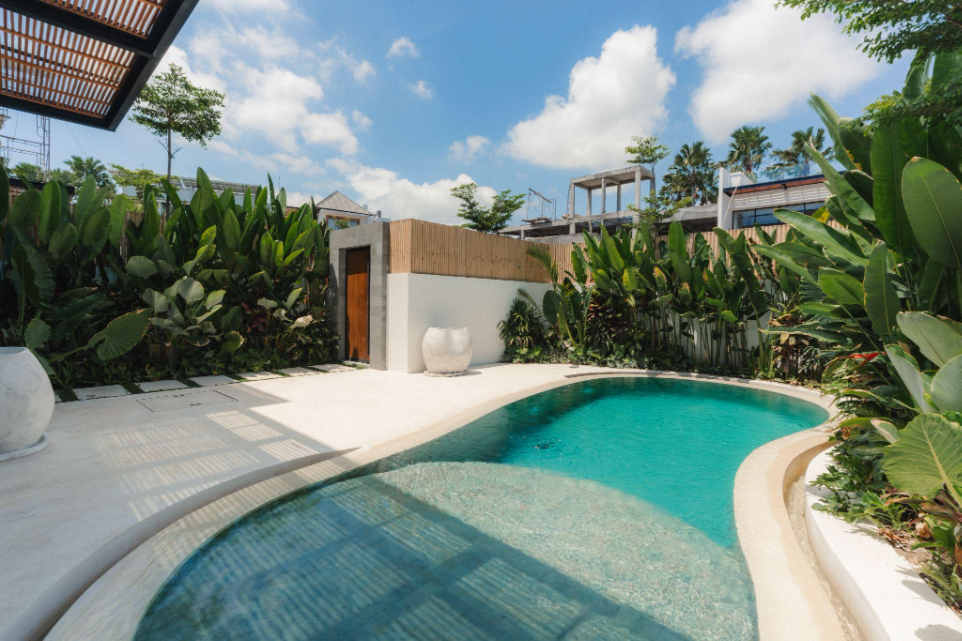
In 2025, according to official data, a record number of foreign tourists visited Bali – more than 7 million people. And tens of thousands of expats and “digital nomads” from different countries have chosen this Indonesian island as their second home or temporary tropical “office”.
Traditionally, Bali has been very popular with travelers from Australia, and in recent years, a significant proportion of guests have become citizens of China, Singapore and India.
In order to preserve the tourism potential and support the local population, the Bali authorities began to pay special attention to the environment and the preservation of environmental and agricultural lands. It has become more difficult to obtain permission to build a villa, apartment complex or hotel.
Due to the ever-increasing demand for rentals and limited supply, Bali allows investors to earn 10-15% on short-term rental properties.
What risks should an investor take into account before concluding a transaction?
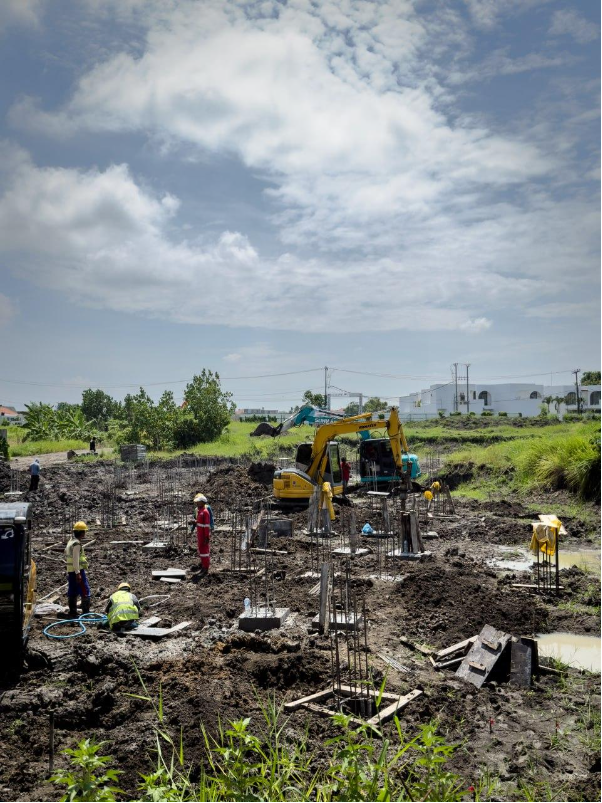
Construction quality
Tourists love Bali for its unique tropical character. But its location imposes additional responsibility on the developer. The developer is obliged not to save on waterproofing, think over the storm water system and use high-quality materials. Only if these conditions are initially met, the owner will be able not to spend extra money on unplanned repairs, and the investment will bring the income declared in the financial models.
Particular attention should be paid to utilities, which have a significant impact on the final impression of living. Without an effective air conditioning system in Bali, real comfort is impossible, and the lack of stable high-speed Internet can scare away from the unit of “remote workers”.
If you are considering investing in a project at the construction stage, then you should choose a developer who has been working on the island for a long time and has a rich portfolio of properties commissioned on time.
Land zoning and other legal subtleties
According to the laws of Indonesia, foreigners cannot own real estate in the full sense of the word. The so-called “freehold” is available exclusively to citizens of the country. Unfortunately, earlier there were cases when unscrupulous developers or sellers offered foreign investors to register real estate in the name of a nominal Indonesian owner, allegedly securing the real investor with the help of additional private agreements with a local “nominee”.
The unjustified risk of using such a scheme can hardly be overestimated. In addition to the fact that the country’s authorities are constantly intensifying the fight against such attempts to circumvent the law, no one can guarantee that the nominal owner will keep his word and will not demand a unilateral revision of undercover agreements. The chance to return at least part of the funds in this case will be very small. The media regularly report on litigation that drags on for years and usually does not lead to a happy ending for investors who have made a legal error.
Foreigners legally have access to long-term rentals in Indonesia for up to 80 years with the possibility of renewal on pre-fixed terms in the contract. However, in practice, these restrictions practically do not affect the ability of investors from other countries to make money in the Balinese real estate market. The payback of high-quality properties in Bali takes an average of 8-10 years, and villas or apartments will work to increase your capital for many decades after reaching this mark if you bet on profits from short-term rentals.
For investors who choose an “off-plan”, that is, a strategy that involves investing in the project at the construction stage and reselling the property after it is commissioned, the long-term lease scheme is also not an obstacle to profit. The rights to use the land and operate the property can be freely assigned to the buyer on market terms.
Land in Bali is divided into zones, and the authorities in 2025 have repeatedly stated that construction in nature conservation and agricultural areas is illegal, and the statements of unscrupulous sellers about the possibility of re-registering land “retroactively” cannot be trusted. There have already been precedents on the island when investors were deprived of their money and property rights due to violations of zoning rules. Therefore, before buying real estate in Bali, it is necessary to check with the developer or private seller for the availability of KKPR – a document confirming the possibility of using a particular plot of land for construction.
The basic minimum of required documents also includes a PBG – a permit for construction, repair or other changes to a particular building. And if you buy a ready-made object, then it must have an SLF certificate allowing its commissioning.
But the investor is protected from a certain part of the legal risks, such as additional encumbrances, litigation, lack of basic permits, due to the mandatory verification by a public notary public (PPAT) when registering the transfer of ownership of real estate.
Location and competition
The most important factor for increasing the occupancy rate of a property in Bali is the location. Even within such popular areas as Canggu and Nusa Dua, there may be a gap in demand among tourists between properties located 2 and 10 minutes from the ocean. According to statistics, many visitors to the island prefer to change the area every 3-4 days in order to have time to enjoy all the diversity of Bali. For this group of tourists, proximity to beaches and other points of interest is crucial when choosing an accommodation facility, because they want to have time to see as much as possible in a limited time.
Another competitive advantage for any object in Bali is the view characteristics. After all, for the sake of contemplation and beautiful photos, many tourists make a choice in favor of the most popular island in Indonesia.

Controls
In order to turn even the best apartments and villas into a perfectly working business, it takes a lot of time and effort. Most investors are not ready to independently deal with the promotion of their property, hiring and training staff, organizing a meeting of guests, cleaning and the inevitable minor repairs. In order for real estate to bring a truly passive income, they prefer to use the services of management companies with experience in Bali. The commission for their services is usually much cheaper than the investor’s time and losses from mistakes made due to inexperience in this market. In addition, working with a management company exempts the investor from the need to register their own legal entity in Indonesia to rent out their real estate for short-term rent on a regular basis.
Another pitfall may be hidden in the financial models that are demonstrated to the future investor. It is imperative to clarify the data on the basis of which the potential average rate per night was calculated, the occupancy rate of the facility, whether the calculations take into account maintenance costs and their gradual inflation-induced growth over time.
Conclusion
Investing in real estate in Bali can indeed bring high income, but in order to achieve a high ROI, you need to be extremely careful when choosing a property, location, developer, and management company.
Before concluding a transaction, it is important not to blindly trust other participants, but to independently check the entire package of permits, especially: KKPR – a document confirming the correct zoning of the land, PBG – a permit for the construction of a building according to a specific plan and SLF – a certificate giving the right to operate the facility.


